
Introduction
Spitting (Hawk Tuah), the disgusting sound of a forceful spitting) has seen a decline in social acceptability in the Western world. Once a commonplace act in daily life, it gradually became frowned upon and eventually labelled as 'disgusting.' Today, spitting in public is considered a sign of disrespect, reflecting changes in hygiene and manners.
Years ago, it seemed like spitting in public was mostly something men did. Nowadays, however, I’ve noticed it’s not just men—women and even children are doing it too.
Some people spit out of habit or to remove phlegm. Others intentionally spit on the ground to show disrespect.
More worryingly, when someone spits on the ground, not all of it stays there; a percentage remains airborne, and depending on the wind's strength, these droplets can spread farther, posing a direct threat as others may inhale them or have them land on their faces.
As a young adult, I would spit in public without much thought, but as I grew older, I realised the impact it could have on others and how it could be just as dangerous as broken glass. Spitting in public is not only unpleasant and distasteful but also a potential health hazard, spreading germs to people of all ages, as well as to pets and wildlife.
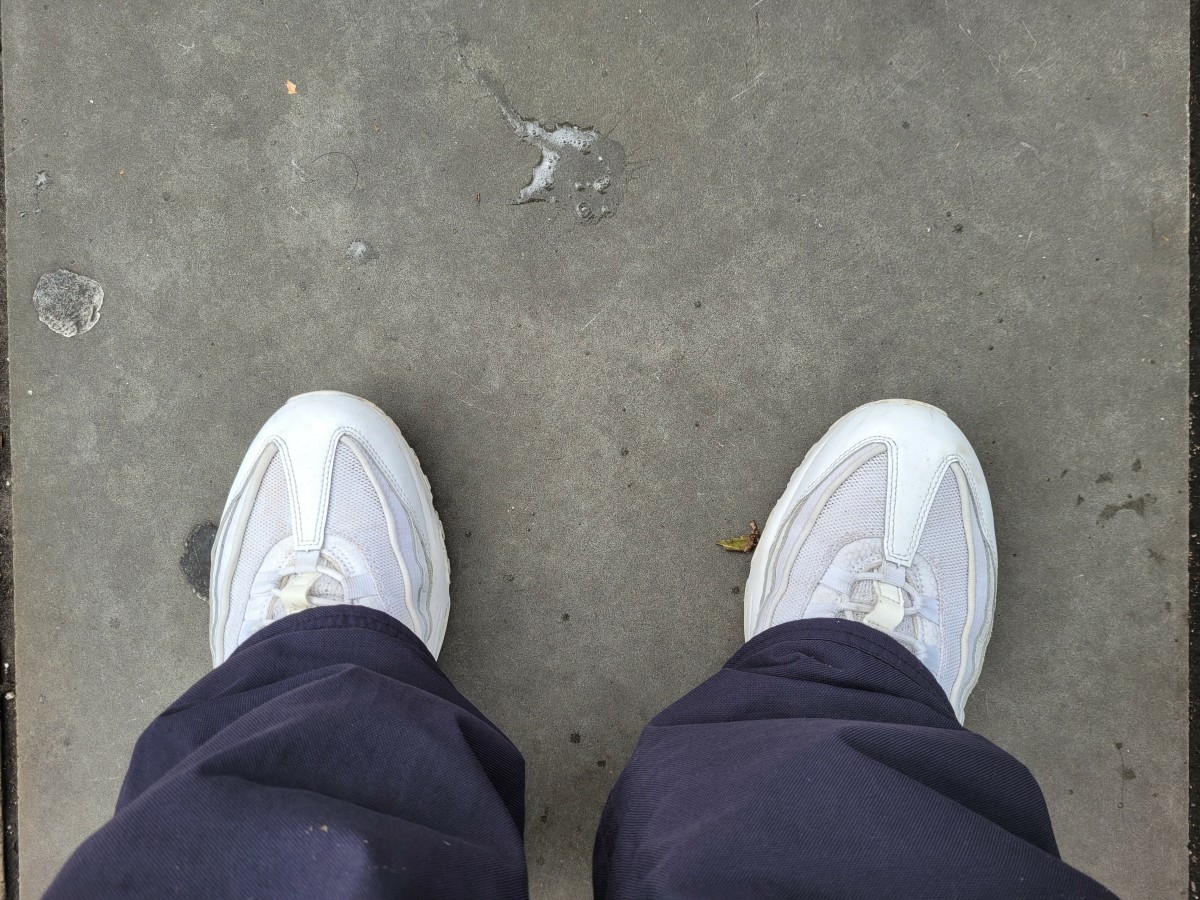
Similarly, not covering one's mouth and nose when sneezing or coughing can also spread germs. That's also one of the reasons my shoelaces are always tied up — to prevent them from touching the ground and potentially getting contaminated by things like spit. I also take my shoes off when entering my home to keep it clean and free from outside germs, and wear a face mask in crowded public places to protect myself from those who don’t practice proper hygiene..
This article will explore the dangers of public spitting, with the hope of encouraging a behaviour change. And cover the legal and social consequences and consideration for health and hygiene, and to keep our streets and public spaces clean and tidy for everyone.
List Of Contents
- What is The Purpose of Spit (Saliva)?
- What's Inside Spit & The Various Colours of Phlegm?
- Why Spitting on the Pavements is Disgusting and Dangerous
- The Legal Implications Behind Spitting
- Jamie Carragher, Caught Spitting Towards a Teenager (video)
- When Is it Socially Acceptable to Spit in Public?
- Tips For Spitting in Public
- Conclusion
- Video: 'Hawk Tuak' Girl Vs Remix Version
What is The Purpose of Spit (Saliva)?
Saliva, a vital bodily fluid, plays a crucial role in oral health and overall well-being.
- It acts as a natural lubricant, keeping mucous membranes moist and protecting against potential harm and harmful substances.
- Saliva contains amylase, an enzyme that aids starch digestion, aiding digestion.
- It acts as a microbial guardian, thanks to lysozyme, an enzyme that fights bacteria, saliva keeps the mouth healthy and reduces the risk of infection.
- Saliva serves as a protection for our teeth, with calcium hydroxyapatite that safeguards against calcium loss and protecting teeth from acidic foods.
- This protective role significantly reduces the risk of cavities and gum disease.
- Saliva plays a vital role in maintaining an ideal mouth pH balance, maintaining a healthy pH balance.
- It contributes to tissue regeneration and speeds up wound healing in the oral cavity through proteins and growth factors.
- Saliva also enhances our sense of taste, especially with dry foods, by providing the moisture needed for taste buds to discern and enjoy flavours, improving our enjoyment of food.
What's Inside Spit & The Various Colours of Phlegm
Spit can exhibit variations in colour and consistency due to various factors. Note: Spit, phlegm, and sputum are all related terms, but they have slightly different meanings.
Spit (saliva) is a general term for any fluid expelled from the mouth. It can include saliva, mucus, or a combination of both.
Phlegm is a thick, slimy substance that is produced in the airways. It contains mucus, white blood cells, and other debris.
Sputum is a term used to describe phlegm coughed up from the lungs.
- White or Clear Spit (Saliva): White or clear spit is usually normal. It is mostly saliva, sometimes containing mucus to keep the mouth and airways moist and protected. The amount of white or clear spit can increase after eating, drinking, or due to medical conditions.
- Green or Dark-Yellow Spit: According to Dr. Lynne Eldridge, from the 'Stanford University Medical School', green or dark yellow spit may be a sign of health problems, such as bacterial infections. This is because white blood cells, which are green, are attracted to these infections. Conditions that may produce green or dark yellow spit include bacterial bronchitis, bacterial pneumonia, sinusitis, and cystic fibrosis.
- Black or Dark-Coloured Spit /Phlegm (also known as sputum)? (In some cases): This colour variation may be linked to lifestyle factors like smoking or using certain tobacco products. Additionally, the consumption of specific foods or drinks, such as coffee or dark-coloured beverages, can temporarily darken the colour of spit. Based on the research presented at the 'European Respiratory Society International Congress', sputum colour can indicate lung inflammation in bronchiectasis patients. Dr. Megan Crichton from the University of Dundee explained that darkening sputum colour due to a protein called myeloperoxidase (MPO) is a biomarker for inflammation. The study found that the darker the sputum, the higher the risk of exacerbations, hospitalisations, and death. This simple colour indicator could help with patient self-monitoring and improve treatment.
- Red Coloured Spit: As stated in the Medical News Today, red phlegm, when coughed up, is a concerning sign that indicates the presence of blood, a condition medically termed hemoptysis. There are various potential causes for finding blood in your phlegm. Excessive and forceful coughing, often seen with respiratory infections can occasionally lead to the rupture of small blood vessels in the lungs or airways resulting in bleeding. Additionally, nosebleeds triggered by swelling in the nasal passage can result in blood entering postnasal drip, eventually leading to coughing up blood. In more severe cases, the presence of blood in mucus could be a warning sign of a severe underlying medical issue, such as tuberculosis, an abscess or even lung cancer.
If you consistently produce unusual or concerning colours of spit, consult a healthcare professional to determine the underlying causes.
Why Spitting on the Pavements is Disgusting and Dangerous
Spitting in public is a bad habit that can have a number of negative consequences, including:
- Spreading diseases: When someone spits, not all of it reaches the ground. Some becomes airborne as tiny particles. Studies by scientists mention that spitting can transmit diseases that may contain harmful bacteria and respiratory viruses, including SARS-CoV-2, and those responsible for tuberculosis, hepatitis A, and the common cold. Public spitting can result in the spread of these germs to others, either through direct contact with the spit or indirectly by touching contaminated surfaces. During the COVID-19 pandemic, it became evident that saliva can carry the virus, with transmission possible through coughing, sneezing, and spitting.
- The risk of transmission is determined by factors like droplet size and proximity to others. Some scientists and studies have suggested that spitting can release many viruses. According to an article published in 'The British Journal of Tuberculosis' by John Robertson, M.D, spitting in public areas has been identified as a significant factor in the spread of tuberculosis. The article reports the results of an investigation conducted by the City of Birmingham, which found that a percentage of sputum samples collected from public pavements contained living tubercle bacilli. While the exact percentage may vary, the presence of tuberculosis bacilli in public areas raises concerns about the role of spitting in disease transmission.
- Cost to Society: Public spitting can impose a significant cost on society, in terms of healthcare costs of treating diseases per year. As one example; According to the World Health Organization (WHO), tuberculosis ranks as the 13th major cause of mortality globally, standing as the second most lethal infectious disease, surpassing even HIV and AIDS, following COVID-19.
- Playgrounds of Peril: Seeing children do cartwheels in the streets fills me with sadness because these children should be able to play freely without worry of touching spit on the pavements, but instead, they are exposed to the dangers and filth of our streets.
- Grass horror: Imagine deciding to lay down on the grass in the park, on a beautiful sunny day when you feel something wet and slimy.... Its someone’s freshly spat phlegm! Unfortunately, some people have no need to imagine!
- Spitting Harms Pets: Sitting on pavements can harm animals, including dogs, cats, and wildlife. When they walk, sit, or roll around on these surfaces, they can inadvertently come into contact with spit, exposing them to harmful bacteria and viruses. If they lick their paws or fur afterwards, they may ingest these substances, leading to various health issues, including infections and illnesses. Additionally, when people stroke or kiss their pets after they've been outside, or when children and the elderly, who may have weakened immune systems, come into contact with these animals, there is a risk of transmitting these pathogens.

- Silent Epidemic. The saliva may seem insignificant, but it can carry harmful bacteria and viruses. When someone steps in the spit, they become involuntary carriers. The germs can easily be transferred to surfaces, such as footwear and public transportation seats. From there, the cycle of infection continues.
- Public Safety Concerns: If someone were to slip or fall on a spit-covered pavement, they would end up with the spit on them, leading to potential health risks and personal discomfort.
- Creating a Nuisance: Spitting in public is both unclean and unsanitary, resulting in the contamination of pavements, streets, and other public areas, rendering them undesirable and uncomfortable for regular use.
- Mid-flight Hazzard: When someone spits to the side, the spit may still be mid-flight, and a passing child or anyone walking much faster than them could end up getting hit directly by the spit.
- Being Disrespectful: Public spitting shows disrespect for others and our shared environment, and it's an indicator of poor personal hygiene.
- The Unattractive Habit: Spitting is an unattractive habit that is not likely to attract other people. Or those who hold disdain for individuals who spit. This act can be seen as disrespectful, unhygienic, and off-putting, often leading to negative perceptions and reduced desirability. Respecting public spaces and personal hygiene can significantly enhance one's appeal and overall image.
- Three-Second 'Food' Rule: When foods accidentally dropped on the floor, this rule doesn't apply, especially when people regularly spit, so, dropped food is best left where it falls—it's not worth the risk.
In addition to the reasons listed above, spitting in public is illegal in many places to protect public health and safety.
Similar unhygienic habits exist, like blowing snot from the nose by holding a finger over one nostril, which is equally, if not more, unpleasant.
The Legal Implications Behind Spitting
Spitting in public places is illegal in the UK. The laws vary by country and borough, but they typically involve on-the-spot fines. Spitting in public is a criminal offence under the Anti-social Behaviour, Crime and Policing Act 2014. The amount of the fine varies depending on the part of the UK and borough.
One example is in the north London borough, where offenders could be fined up to £500 for spitting. The borough is now considering introducing fixed penalties to deter this type of bad behaviour. Councils have also targeted anti-social spitting with fixed penalty notices under the Environmental Protection Act 1990, treating spit as litter.
Deliberately spitting at someone is classified as a common assault and is punishable by imprisonment and a fine.
An incident which made news headlines of a man spitting on the ground near Israel supporters' near a pro-Palestine protest in London led to accusations of assault. Be mindful where you spit—it can lead to serious misunderstandings, accusations and legal consequences.
Jamie Carragher, Caught Spitting Towards a Teenager
When Is it Socially Acceptable to Spit in Public?
While spitting in humans is seen as impolite and unhygienic, there are situations in the animal kingdom where spitting serves essential purposes. Alpacas and llamas, for example, use spitting as a means to establish dominance and defend their territory within their social structure.
- Cultural Significance: Spitting is traditional and ritualistic in some cultures, connecting communities to their heritage. In rural parts of India, spitting on the ground before entering a new house or starting a new journey is a common practice believed to protect against evil spirits. Similarly, in Romania and Moldova, spitting three times over the shoulder is said to ward off curses.
- Respiratory Relief: Spitting can help people with respiratory issues clear mucus and breathe easier.
- Spitting in Sports: Athletes in high-energy sports like football, running, and cycling often spit because exercise increases saliva production, and dehydration makes it thicker and more difficult to swallow
In addition, spitting out a drink you didn’t realise was boiling hot, or any insects that suddenly fly into your mouth, are also acceptable reasons to spit, and as soon as possible!
- Health Benefits: Some cultures and alternative medicine practices believe that spitting detoxifies the body and promotes well-being.
- Hygiene and Protection: Spitting can help remove irritants and potential contaminants from the mouth, promoting personal hygiene and health protection.
- Stress Reduction: For some people, spitting can be a stress-relief mechanism, helping them relax and reduce tension during stressful moments.
- Cultural Spit Practices: Chewing tobacco, betel nut, or similar substances are common practices in many Asian countries. These stimulants create excess saliva, leading to a need to spit frequently.
- Cleaning Agent: Saliva is an impressive and versatile cleaning agent, suitable for not only boots and paintings but also various surfaces and objects. It contains enzymes, like amylase and lipase, which break down starches and fats often found in grime and dirt on these surfaces.
Tips For Spitting in Public
Spitting in public can be a nuisance and a health hazard. If you must spit in public, there are a few things you can do to minimise the impact on others to maintain good hygiene and courtesy.
- If you need to spit, do so discreetly into a tissue, serviette or handkerchief, and dispose of it properly. If you don't have any of those, spit down a drain in a way that does not splash or spray.
- In a public place, choose a discreet spot away from people, making it less likely to be seen or stepped on
- If you have a medical condition that causes you to spit regularly, carry a container. An empty plastic drinks container is ideal.
- Be mindful of others and avoid spitting in areas where there are people or animals nearby.
When you see someone spitting in public, politely remind them that it's a crime, not acceptable, and can be dangerous. You can also report spitting incidents to the authorities. By working together, we can make spitting in public a thing of the past.
Conclusion
Public spitting is not only disgusting but also a sign of disrespect towards others and the environment. It makes our communities less pleasant places to live and work. Efforts to curb public spitting and educate the public about its risks are crucial for preventing disease transmission.
Even the most hygiene-conscious individuals may not always realise the potential sources of infection, whether it's from someone spitting close by leading to the inhalation of microscopic particles, or through unsuspected cross-contamination.
In summary, spitting in public on the pavements is a harmful practice for several reasons. It's disgusting, unhealthy, disrespectful, illegal, and dangerous. It's important for people to be aware of the consequences of spitting in public and to avoid doing it.
Please share this article to help raise awareness. Or, tell anyone you see spitting to Google, "spitting in public: the hidden dangers of a disgusting habit". By working together, we can all make a significant difference.
The "Hawk Tuah" sound has gained popularity as an internet meme thanks to a specific woman. This sound became well-known through a viral video where the woman energetically and vividly demonstrated this action. Video below.

No comments:
Post a Comment