
Introduction
For years, I always threw away what I thought was just food waste such as meat bones, eggshells, and even kiwi fruit skins. Little did I know that these discarded scraps held surprising nutritional value, often exceeding that of the food they came from. Scraps that contained surprising nutritional value:
Bones (simmered for many hours): a great source of collagen, glucosamine, and chondroitin, vitamins, and minerals which supports skin, bones, joints, and hair, and are an expensive supplement to buy. Eggshells (boiled, dried, and powdered): composed primarily of calcium carbonate, offer a natural and inexpensive calcium supplement. Kiwi fruit skin (scrubbed clean): Boasts over three times the antioxidants found in the fruit! (preferably organic produce).
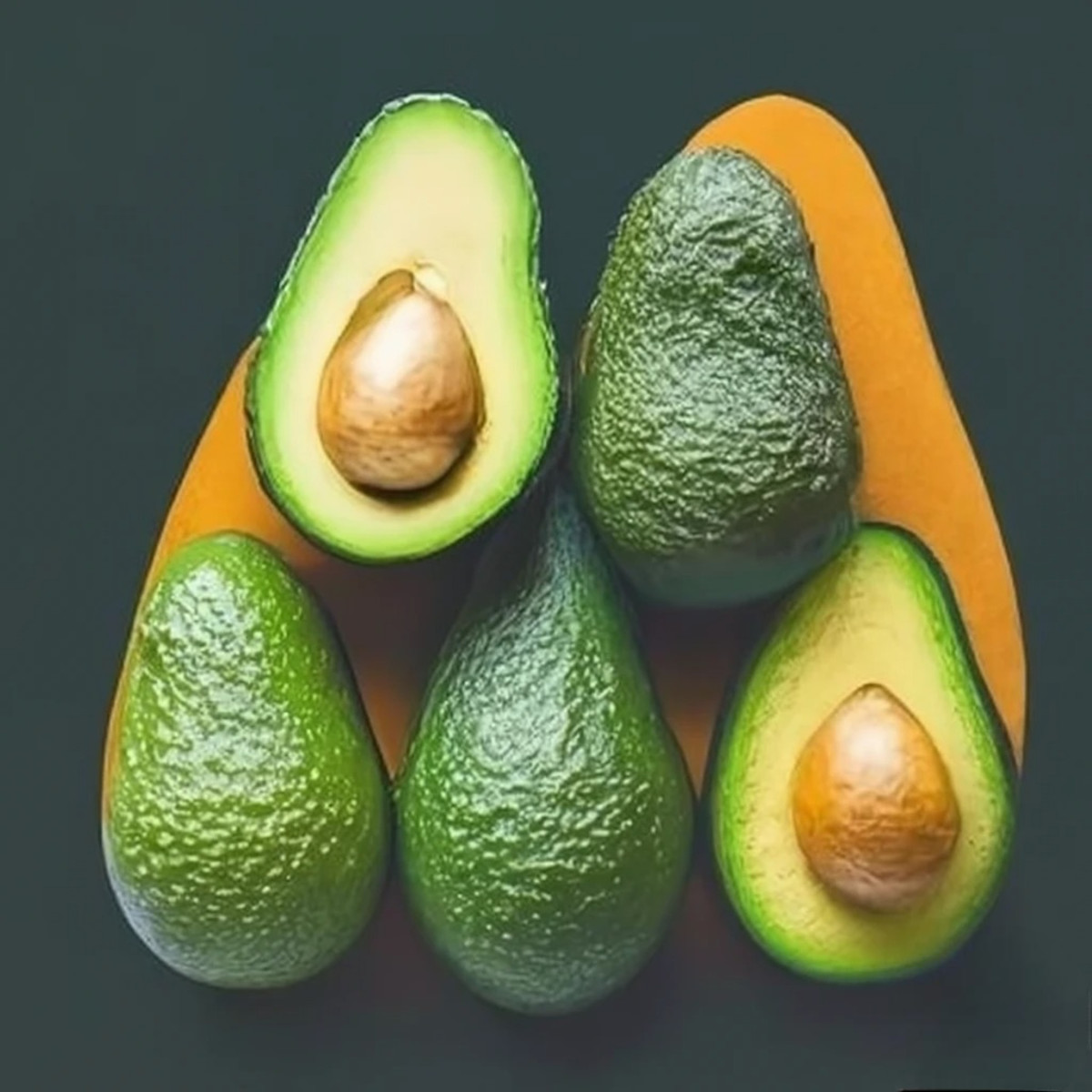
Then, one day, as I held and admired the most beautiful-looking, shiny, dark brown seed in my hand, I wondered, what was everyone doing with the seeds? Most people I asked throw their seeds away! Little did I know what a discovery it turned out to be. I discovered a world of uses for the seed, ranging from facial cleansers and exfoliating scrubs to homemade pain relief remedies, natural dyes, food colouring, DIY jewellery, and more! However, before you start munching away on seeds, let's look at what everyone's saying about using them for medical purposes. Is it okay? Let's separate fact from fiction.
List of Contents
- Hype or Health Food? Science Offers Answers
- Homemade Avocado Seed Ointment For Pain Relief
- Avocado Seed for Colour, Skincare, and More! A-Z
- Eco-Friendly Crafted One-of-a-kind pendants!
- Conclusion: Is The Avocado Seed Safe to Eat?
- Avocado: Did You Know? + Fun Facts!
- Poll
- Video: How to Make Avocado Seed Powder - Recipe and Instructions
- References
Hype or Health Food? Science Offers Answers
Avocados, also known as "alligator pears" have a long and rich history. Traditionally, the discarded seeds, (also known as pip, pit, and stone), have been used for many health purposes, though the exact origins of this practice remain a mystery. Evidence suggests its earliest application likely occurred in South America.
A 2009 study from Nigeria supports historical use in Africa. Powdered avocado seeds are commonly added to soups, reflecting the belief in their ability to "control high blood pressure."
The National Library of Medicine acknowledges the potential health benefits and nutritional value of the seed, which are a "rich source of lipid, proteins, vitamins, minerals and bioactives", but stresses the need for "more research to confirm safety and effectiveness."
Dr. Eric Berg, director of 'Dr. Berg's' and author, believe they're "safe to eat" and highlights potential benefits. However, he warns the pit can be "toxic to animals" and possibly to "sensitive humans in large quantities", and advises getting nutrients from a healthy diet.
Research published by the 'National Institute of Health' (NIH) highlights the impressive composition of them, revealing a wealth of lipids (healthy fats), proteins, vitamins, minerals, and unique bioactive compounds. The extract is rich in substances such as flavonoids, epicatechin, catechin, caffeoylquinic acid, phenylpropanoids, and tannins.
The NIH also explored their nutritional and phytochemicals (natural compounds found in plants that have potential health benefits), suggesting potential health benefits associated with these bioactive components. Additionally, they discussed the possibility of incorporating them as an ingredient in health-promoting foods to enhance their nutritional value and as a "functional food for cancer and diabetic patients."
While the NIH highlighted the potential health benefits suggested by the presence of various nutrients and bioactives (natural chemicals found in plants and foods like fruits, vegetables, nuts, oils, and whole grains), the research provided no definitive recommendations for their consumption. The research concluded that further safety assessments and "human-based studies" are necessary before concluding that avocado seeds are safe for a regular intake.
The California Avocado Commission advises against consuming the pits due to safety concerns. The main health concerns surrounding the seeds stem from their potential toxicity due to compounds like trypsin inhibitors (protein digestion blockers) and cyanogenic glycosides (hydrogen cyanide producers), which can interfere with digestion and potentially cause adverse effects if consumed in large quantities.
In one study with diabetic rats, it showed promise in lowering blood sugar levels, similar to an anti-diabetic drug. In another, they concluded that rats with liver damage showed "improved liver health when treated with the seed extract." This matches what other studies have found about avocado seeds helping liver function.
Another study on mice investigated the potential benefits of avocado seed for weight management and found multiple positive effects. However, a toxicology report states that high doses proved fatal to mice within 24 hours, highlighting the need for caution when considering their use. Nonetheless, there's limited evidence on human safety.
Avocado seeds also contain persin, a fungicidal toxin that can cause stomach upset, vomiting, and diarrhoea in large quantities.
In addition, Avocado seeds, bark, skin, or leaves are toxic to many animals that can be harmed or even killed when they consume them.
Dr Tina M. St. John from 'Live Strong' states that consuming the seeds isn't safe. She said, "The seeds do offer nutrients like fibre, potassium, vitamins, and healthy fats," and advised, "to eat nutrients readily available in safer foods like beans, whole grains, seeds, nuts, fruits, and vegetables."
According to information from Harvard T. H. Chan School of Public Health, they discussed how anti-nutrients found in the seed can "impair the absorption of nutrients" eaten at mealtimes. Anti-nutrients are compounds in some foods that can block the absorption or use of nutrients in your body. They can attach to important nutrients like vitamins and minerals, making them harder for your body to absorb
To minimise this, they recommend avoiding eating large quantities of anti-nutrient foods at one meal, and eating a variety of nutritious foods daily. They also advised that many foods we regularly consume contain anti-nutrients, including nuts, legumes, roots, grains, seeds, vegetables, fruits, tea, cocoa, grapes, berries, apples, stone fruits, nuts, and beans.
A doctor who did advocate the consumption of these seeds is Dr. Tom Wu, a holistic practitioner and author who said, "When I eat the avocado, I always eat the seed. It is packed with very good nutrients."

In a Nutshell: Avocado seeds contain nutrients and antioxidants that may offer health benefits, but the extent of these benefits is uncertain. Studies suggest that extracts from avocado seeds may help combat conditions such as oxidation, inflammation, obesity, microbes, diabetes, and even cancer and brain disorders. However, more extensive research is needed to confirm their safety and potential health benefits.
While some seeds like pumpkin, sunflower, and flaxseeds are great sources of nutrients and safe to eat, the avocado seeds raise safety concerns due to potential toxicity.
And just like other substances with decades of extensive research, such as aspirin or sun exposure, moderation is key. Aspirin has proven benefits in reducing the risk of heart attacks or strokes for people with cardiovascular disease, but long-term overuse can lead to serious side effects like stomach ulcers and internal bleeding. Similarly, while the sun can provide natural vitamin D and boost mood, excessive exposure can result in sunburn and increase the risk of skin cancer. Similarly, avocado seeds offer potential health benefits but also raise concerns about toxicity, so be cautious and consume them in moderation as part of a varied diet to minimise potential risks.
Avocado seed research is in the early stages, showing promise but lacking large-scale human studies to confirm medical benefits. Until more research provides conclusive evidence of their safety and benefits, It's advisable to avoid consuming the seeds
Alternatively, you can "use the avocado pit topically for potential pain relief". (See below)
Homemade Avocado Seed Ointment For Pain Relief
Social media is buzzing with DIY tutorials, and many people have embraced the avocado seed trend, by using the seed to create a painkiller and anti-inflammatory homemade ointment. Many swear by its power to heal arthritis pain, although my two-week trial on painful areas showed no improvement, after two weeks of consistent use on the two affected areas, I didn't experience any noticeable improvement.
According to Joshua Lambert from Penn State, "Avocado seeds offer the potential for developing new anti-inflammatory compounds for food or medicine. The level of activity that we see from the extract is very good," highlighting the promising results that could be used in foods or pharmaceuticals.
Lambert further explains the importance of the research, stating, "The discovery could be significant because chronic inflammation is linked to serious conditions such as cancer, cardiovascular diseases, arthritis, and colitis."
Despite these exciting discoveries, the seeds aren't quite ready for the big leagues as a pain relief solution. More studies are needed to fully understand their effectiveness and safety.
Researchers have found potential pain-relieving properties in the seed extract, but these findings are based solely on lab tests. While it may be tempting to try homemade remedies, proceed with extreme caution. Applying unknown substances topically can irritate the skin or even cause allergic reactions. In the meantime, I'd recommend sticking to safe and dependable "tried-and-tested" natural pain relief options.
As for the avocado seed 'husk' (the skin that coats the seeds), and bizarrely, often discarded by people who use the seed! The Medical News Today said, the husk may "help to treat heart disease, cancer and lowering cholesterol as they contain a variety of chemical compounds that could help to kill viruses, combat heart problems, and even treat cancer", They continued, "could eventually be used to treat cancer, heart disease, and other conditions."
While the potential health benefits of avocado seeds are certainly intriguing, the research is still in its early stages. Let's explore some of the other creative and sustainable ways we can put these pits to good use.

Avocado Seed for Colour, Skincare, and More! A-Z
This list highlights some, but not all, of the interesting ways avocado seeds can be used.
Clothing Dye: In exploring natural dyeing, it's intriguing to learn how 'edible' parts of foods can create various colours. However, the 'Zero Waste Chef' stands out by using the seed of avocados to produce a beautiful pink dye for fabric bags, with satisfying results.
Compost: A great solution if you're not going to be interested in any of its uses on this page, compost it. It takes a long time for whole pits to break down, so chop it into smaller pieces for faster composting to add nutrients to your compost.
Cleansing Scrub: YouTuber, Dulce Candy, recommends the following DIY cleansing scrub: instead of tossing the pit, dry it completely and grind it into a fine powder. This powder can then be incorporated directly into your favourite cleansing cream. The powder adds a gentle abrasiveness, allowing you to massage your face and remove dead skin cells as you cleanse. Dulce continued, "It can reveal a smoother, brighter complexion – a natural beauty boost from an unexpected source."
According to many studies, the seed can give you more antioxidants than most fruits and vegetables.
Exfoliator: For those seeking natural skincare solutions, Field Trip Skincare' (FTS) reveals the seed's potential as a natural exfoliant, promoting smoother, brighter skin. "Avocado seed powder offers gentle exfoliation," FTS explains. When ground, it "buffs away dead skin cells and leaves your skin glowing." You can then add this powder to your favourite facemasks and body scrubs.
Food Colouring: In the quest for natural food colouring, avocado seeds have emerged as a surprising contender, according to the State University. Studies show that crushing them with water and exposing them to air yields a vibrant orange hue. This discovery holds promise for a sustainable alternative to synthetic colourants in the food industry.
Oil: Avocado oil, extracted from the seed "and skin" of the avocado, is praised for its potential benefits for both hair and skin. Hair specialist highlights its "highly moisturising properties" and the "presence of fatty acids and vitamin E" which are said to make hair elasticity perfect and strengthen the hair. She also claims it's "moisturising to use on skin and hair," promoting "skin elasticity and a healthy moisture barrier to improve skin health."
Planting The Seed: Country Living has three ways to grow an avocado plant from your shop-bought fruit 1, Using Toothpicks: Piercing the seed with toothpicks, suspending it over a glass of water, and allowing roots to develop. 2, Drying in the Sun: Leaving the seed in the sun until it splits, then potting it up, 3, soaking in hot water: Soaking the seed in hot water before placing it in a pot of moist compost, with the top end slightly above the soil.
Eco-Friendly Crafted One-of-a-kind pendants!

Shampoo: One Green Planet website has a recipe for making shampoo out of the seed, but most of the comments in response to the article focus on suggesting other shampoo recipe concoctions and their struggles in finding any solution that works for their hair type, rather than discussing how effective it is.
- When consuming the powdered seed, be aware that they have a slightly bitter taste. To mask this, pair them with strong flavours.
Smoothies/Punch: YouTuber 'Venven' discusses the health benefits of avocado seeds in her video. She demonstrates a simple recipe for incorporating seeds into a smoothie, highlighting their potential to promote heart health, aid digestion, regulate blood sugar and pressure, and provide antioxidants and cancer-fighting properties.
Tea: Transform your pit into a potentially digestion-enhancing tea. Registered dietitian Amy Shapiro highlights its potential benefits: "rich in fibre, fatty acids, and antioxidants, potentially lowering blood pressure and cholesterol".
The list above is a glimpse into the popular ways people incorporate seeds into their diets. Other common methods include adding them to milkshakes, smoothies, stews, and even using them as an ingredient in soap.
Sometimes, the truth is a tough pill to swallow, but some truths are better left uneaten. Remember the health risks associated with consuming seeds, as discussed in this article.
Imagine wearing or displaying a beautiful necklace with a pendant carved from an avocado seed. It's a fun and creative way to give avocado stones a new life. Plus, it's a sustainable way to reduce waste, turning them into something special to reduce waste and be kind to our planet.
So next time you enjoy a delicious avocado, don't toss the seed – unleash your creativity and carve your own unique piece of jewellery! No fancy tools needed, just a dried seed, a box cutter or craft knife and a sprinkle of imagination to create some seriously awesome designs.
Conclusion: Is The Avocado Seed Safe to Eat?
When it comes to health and beauty advice on the internet, navigating the vast amount of information can be tricky. Just because someone online says a treatment worked for them, doesn't mean it's scientifically proven.
Even scientifically-proven remedies may not work universally, as the placebo effect can be powerful, and sometimes positive experiences stem from simply believing in a treatment's benefits.
While avocado pits are not typically consumed due to their bitter taste and tough texture, some people believe they contain beneficial nutrients. However, there isn't enough scientific evidence to support their consumption, and eating large amounts of avocado pits can potentially cause digestive issues or be harmful.
While unusual remedies, such as avocado seeds for pain relief, lack scientific backing, there are clinically proven natural pain relievers. Heat and cold therapy, along with ginger, turmeric, and Boswellia have been shown to effectively reduce pain and inflammation. Lavender oil and peppermint oil exhibit anti-inflammatory and pain-relieving properties, potentially aiding in various health-related issues.
Avocado flesh, rich in healthy fats and nutrients with scientific support, remains the safest option for consumption, as it is scientifically proven to be rich in healthy fats and nutrients. If you're considering experimenting with avocado pits for any of the reasons discussed above, do so at your own risk and consult your doctor before trying anything new, especially if you have allergies, are pregnant, or are taking medications.
Avocado: Did You Know? + Fun Facts!
- The avocado world encompasses over 500 varieties, each presenting its own distinct features in terms of size, shape, colour, texture and taste, so for anyone that does not like them, tell them to try another variety!
- Did you know that some avocados, called cocktail avocados, are seedless fruits of the avocado variety? It's possible to grow cocktail avocados in Australia by cultivating unpollinated avocado trees, especially in colder weather conditions.
- This information, sourced from the avocado Wikipedia page, states the earliest evidence of avocado consumption dates back to approximately 9,000 to 10,000 years ago, based on the discovery of avocado pits in Coxcatlan Cave, northern coastal Peru. Other caves in the Tehuacan Valley from the same time period also show early evidence of avocado presence and consumption. Additionally, evidence suggests avocado use at Norte Chico civilisation sites in Peru at least 3,200 years ago and at Caballo Muerto in Peru around 3,800 to 4,500 years ago.
- In southern Mexico and Central America. Aztecs called them 'ahuacatl' meaning 'testicle tree' due to the shape.
- As of my last check, the world record for the heaviest avocado stood at 5.6 pounds ( 2.55 kg).
Who knows what new discoveries and records await in the world of avocados!
After learning about the potential uses of avocado seeds, are you more likely to
- 0% Still discard them
- 67% Try using them for something creative (jewellery, dye, etc.)
- 33% Explore using them for other purposes (natural remedies, etc.)
References
- National Library of Medicine acknowledges the potential health benefits.
- Dr. Eric Berg, director of 'Dr. Berg's' and author, believe they're "safe to eat"
- Research published by the National Institute of Health (NIH) highlights their impressive composition.
- The California Avocado Commission advises against consuming the pits due to safety concerns.
- One study with diabetic rats. Another study on mice investigated the potential benefits of avocado seed for weight management and found multiple positive effects.
- a toxicology report states that high doses proved fatal to mice within 24 hours, highlighting the need for caution when considering their use.
- Dr Tina M. St. John from 'Live Strong' states that consuming the seeds isn't safe.
- Harvard T. H. Chan School of Public Health discuss how anti-nutrients found in the seed can "impair the absorption of nutrients" eaten at mealtimes. Anti-nutrient foods.


No comments:
Post a Comment